+91-9702555550

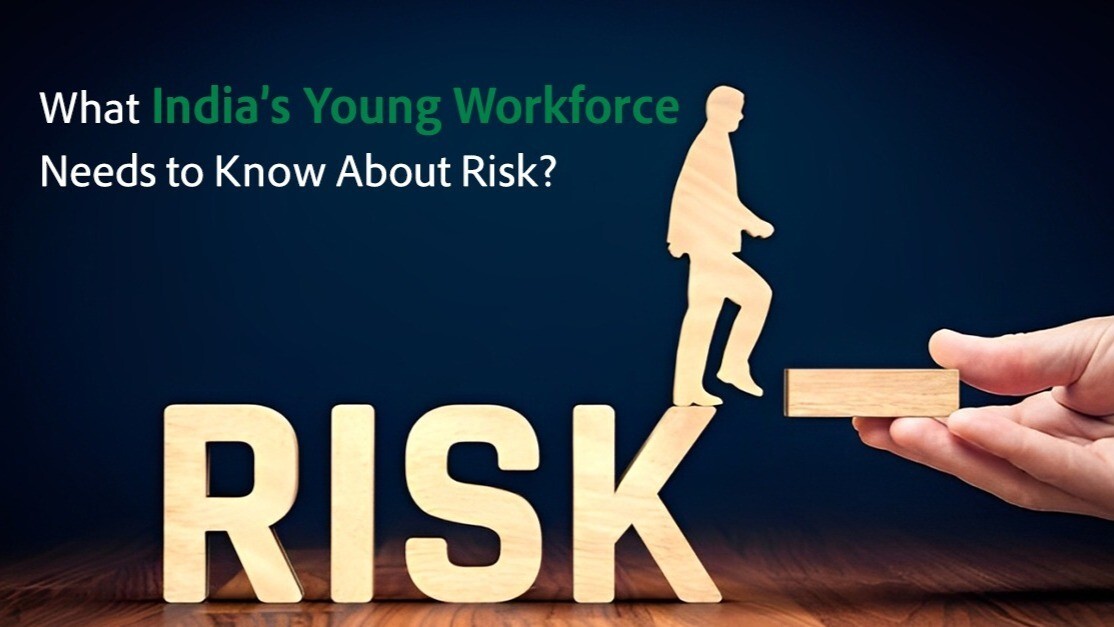
When you’re young, starting a new job feels like a dream. The chai breaks, office banter, shared lunches (especially when your colleague brings your favourite dish!).
We talk a lot about these fun parts. But let’s flip the coin.
Let’s talk about something most of us don’t. Risk.
As a young professional, I wish someone had taught me this earlier: “Taking smart risks can change your career. But only if you plan for the downsides.”
This might just be the one thing you never knew you needed.
Taking risks early in your career can be powerful, like switching jobs, freelancing, or launching that side hustle.
Pros: Faster growth, More learning, Higher rewards
Cons: Instability, no safety net, Burnout if things don’t work out.
It’s not about avoiding risk. It’s about managing it, with insurance, savings, and a solid Plan B.
Quitting to freelance? Bold. Investing in crypto? Exciting. But what if you fall sick next month?
No work + no health cover = no income.
Lesson: Taking a risk is okay. Not preparing for the fallout? That’s the real risk.
You might have health insurance through your employer. But the moment you quit, switch jobs, or go independent, Poof. It’s gone.
Get your own basic health + term life insurance. So you’re not left exposed when life takes a turn.
Think emergency savings are just for married people with kids? Nope.
If you have rent, EMIs, or just responsibilities, this is for you.
Example: Your startup doesn’t raise funding. You need 3 months to pivot or find a new role. Without savings, you’ll be forced into the wrong decision.
Set aside at least 3–6 months of basic expenses. It’s not “extra”. It’s essential.
“Young people don’t need insurance.” Wrong.
The younger you are, the cheaper your premium.
Example: A 25-year-old pays far less for term insurance than a 35-year-old.
Get it early. You lock in the price and protect your future.
Many of our parents, even with modest incomes, got life insurance, built savings planned ahead.
We, with higher incomes and better tools, often don’t. Why?
It’s not about being paranoid. It’s about being prepared.
You don’t need to be a finance pro to start managing risk. But you do need to start.
Because managing risk isn’t about fear. It’s about freedom.


